Laoniuwan: where the Great Wall meets the Yellow River
- 1 day
- Total distance10 km
- Total ascent+300 m
Diese Seite gibt es auch auf Deutsch.Auf Deutsch lesen
Cette page existe aussi en français.Lire en français
Guided trek · Datong & the Yellow River
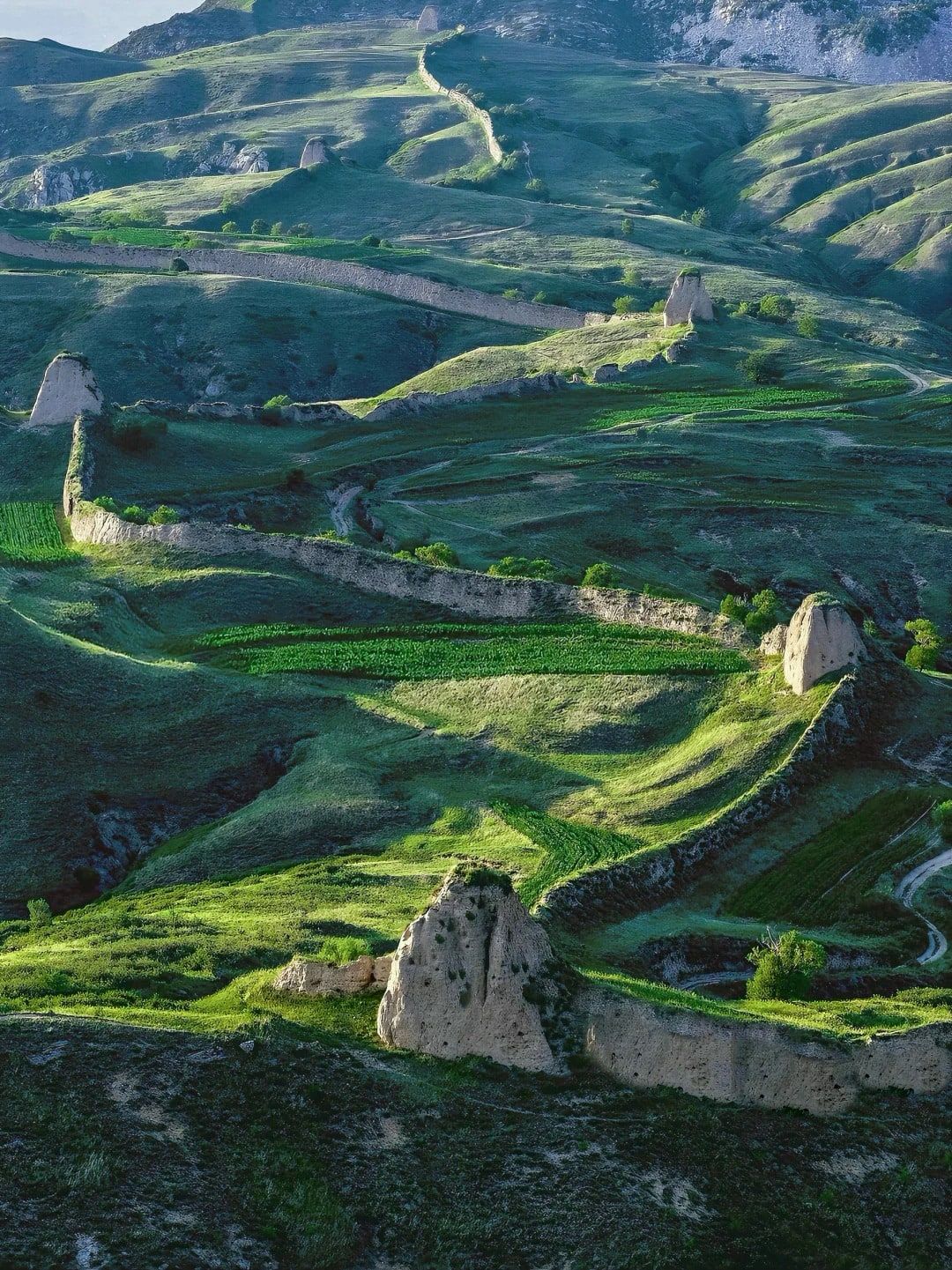
Where the Great Wall meets the Yellow River: five days on foot along a Ming wall built of earth, not brick, past its old forts.
Round trip from Beijing, high-speed train to Datong includedHow to get there
Fly into Beijing (PEK or PKX); the train to Datong takes about 2 h
Up to 6 hikers · one guide for every two
Round trip from Beijing, High-speed train to Datong included
Fly into Beijing (PEK or PKX); the train to Datong takes about 2 h
How to get thereWhere the Great Wall meets the Yellow River: five days on foot along a Ming wall built of earth, not brick, past its old forts.
Painted like a Chinese landscape scroll. Drag or swipe sideways: the red figure is your sinan, and they stop where the red seals are.
The line is illustrative: there are no openly licensed recordings of these walks for us to draw from yet. Distances are the itinerary’s, heights come from terrain data (NASA SRTM) between the places named, until our guide records each day on the ground. Places: © OpenStreetMap contributors
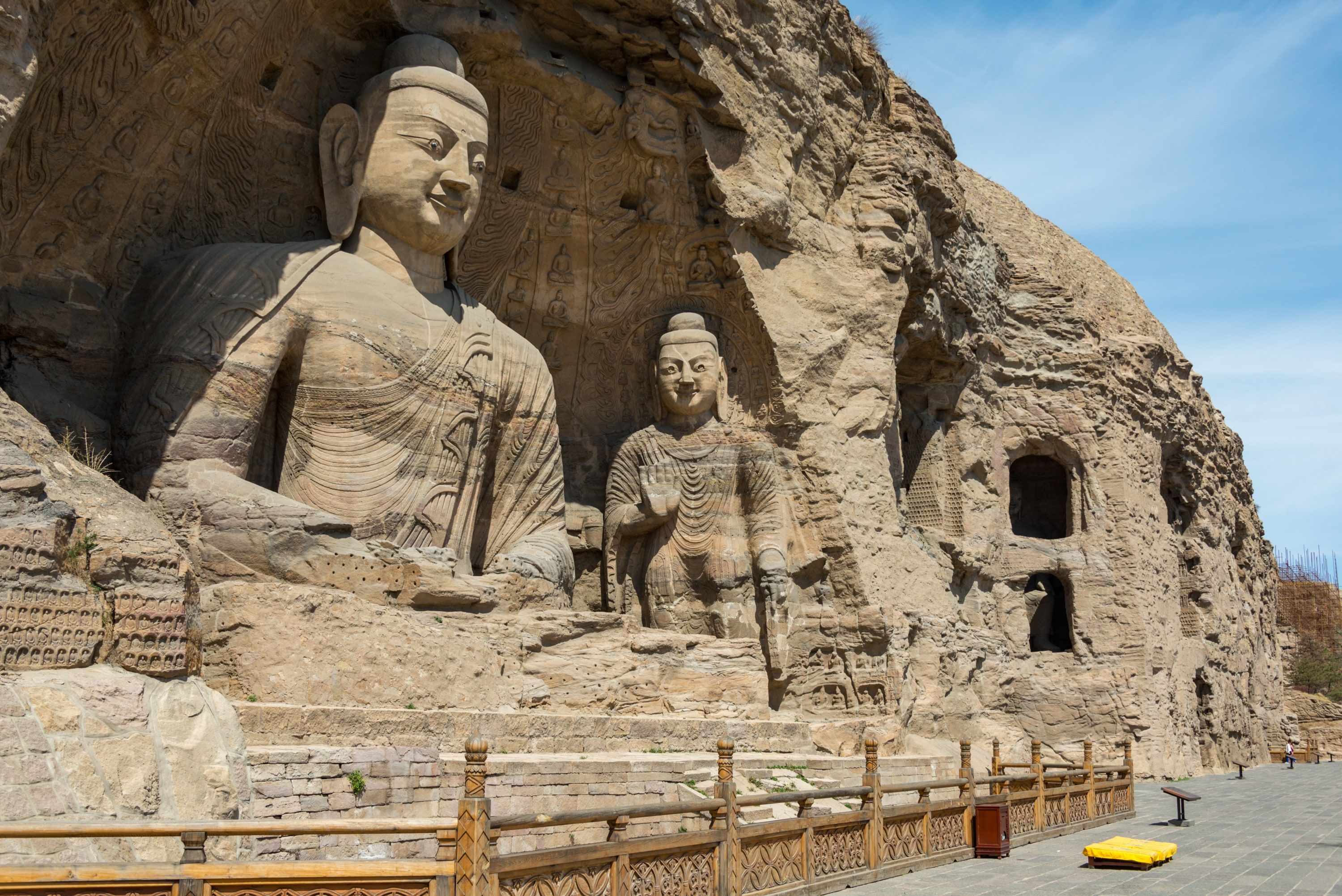
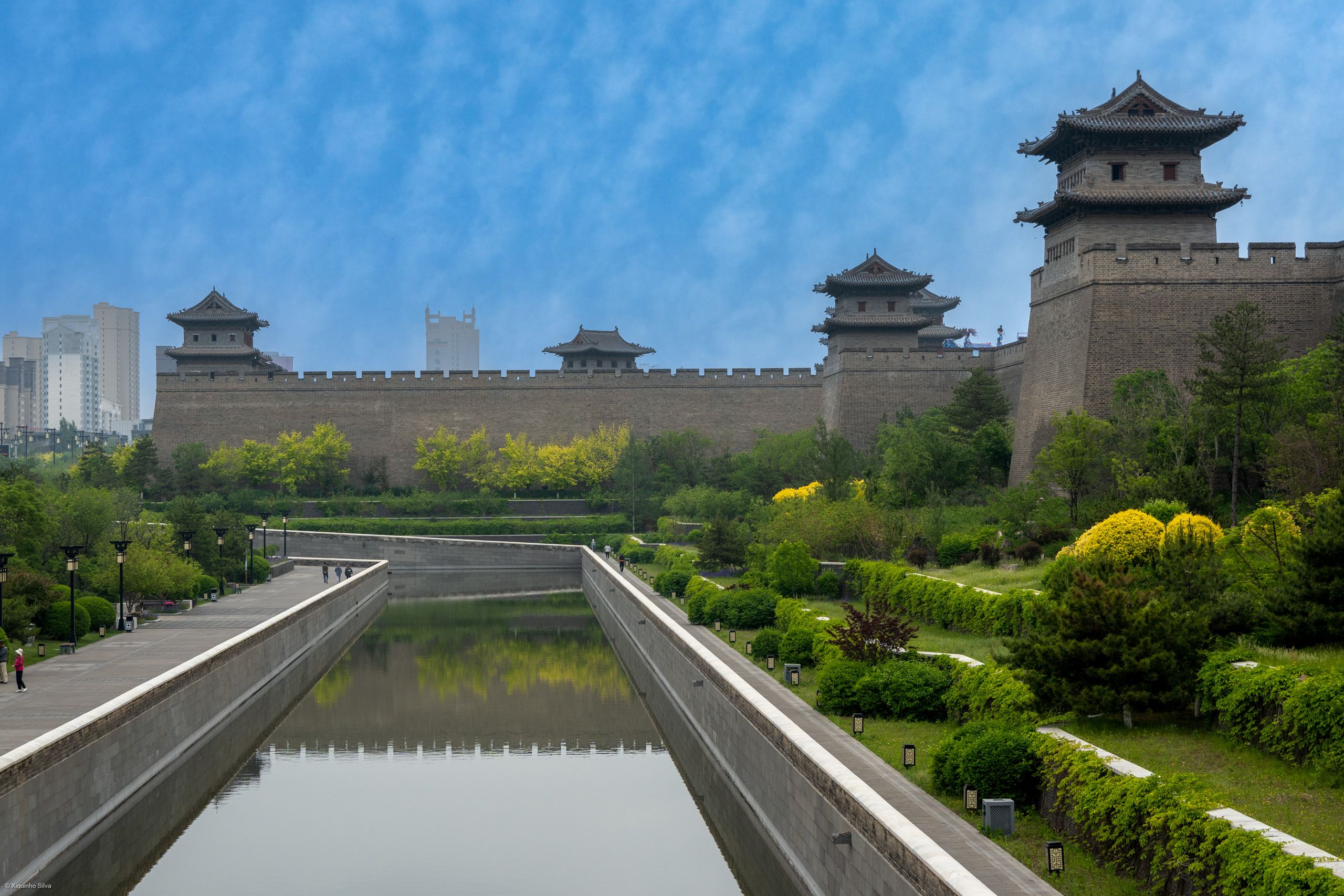
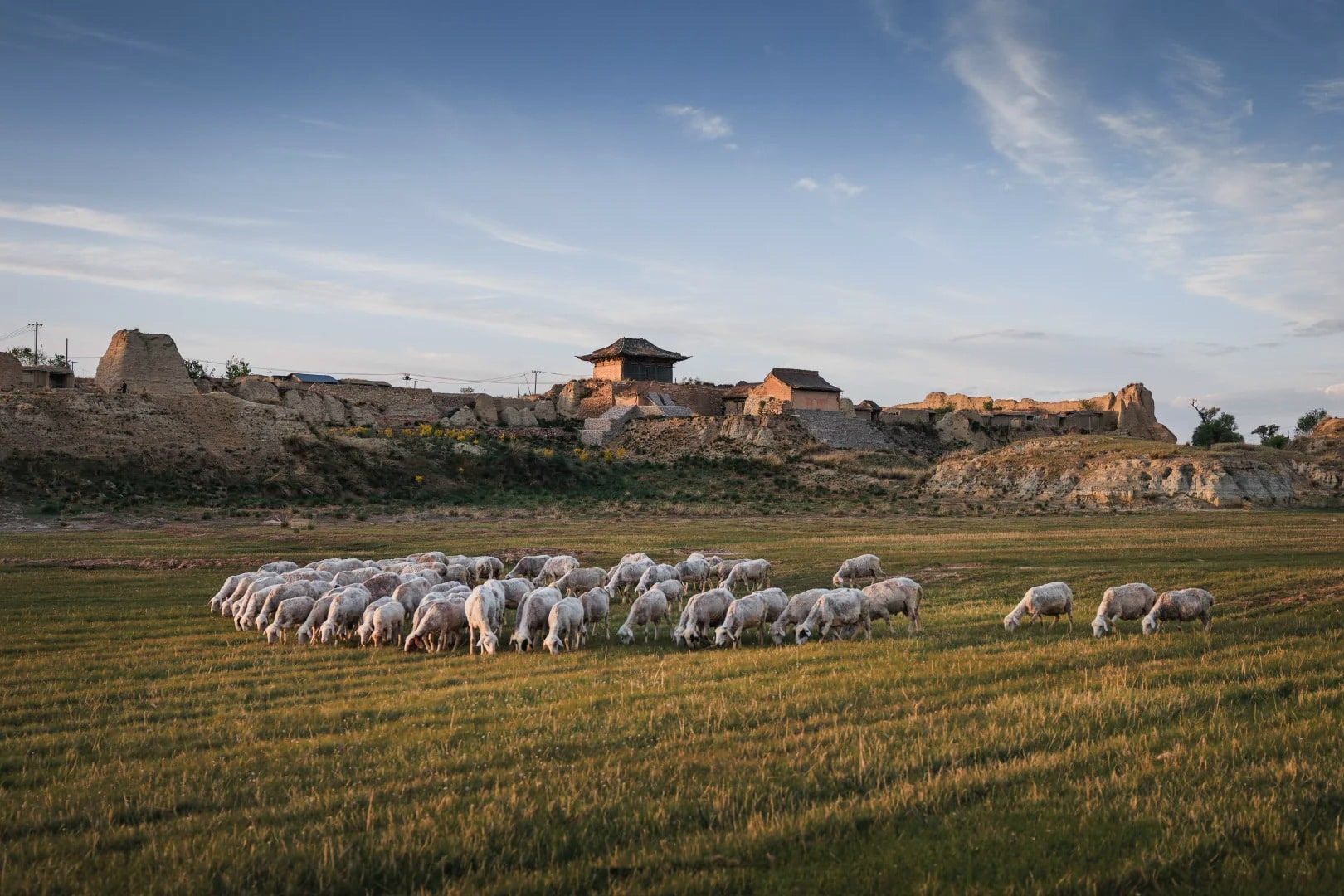
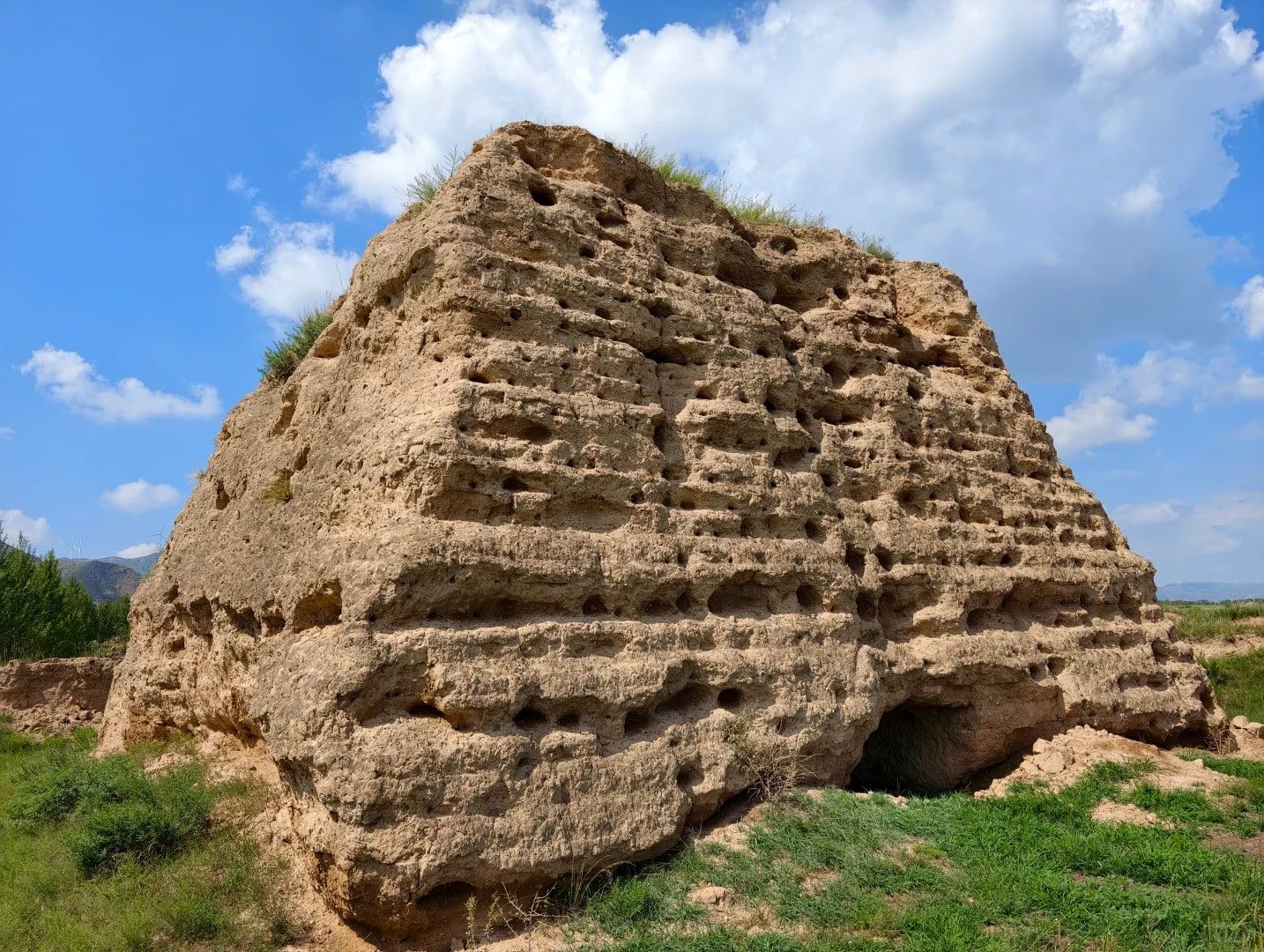
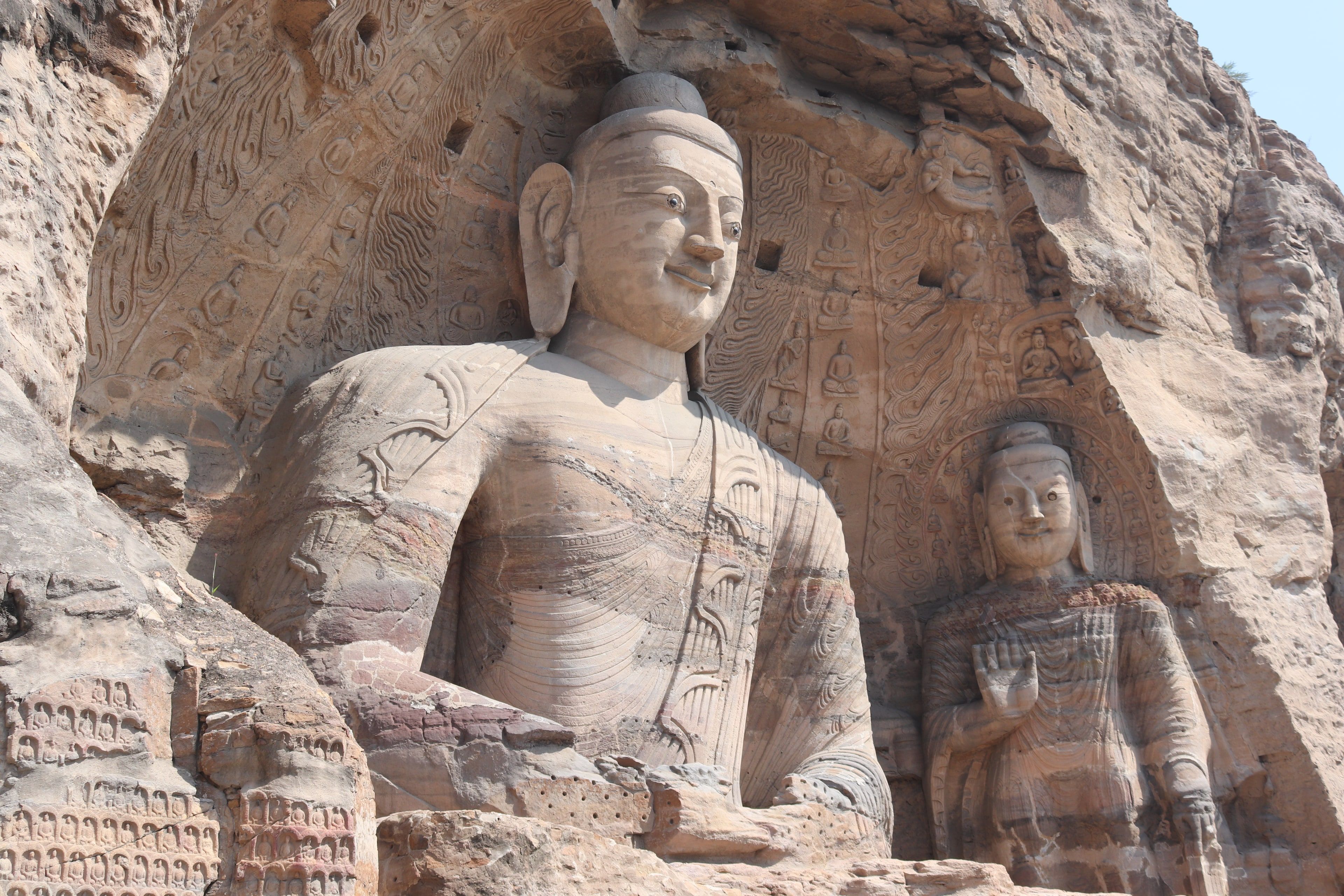
The high-speed train from Beijing Qinghe takes under two hours. We spend the late morning among the Yungang Grottoes, then drive 40 minutes north to Deshengbao, a Ming fort with a carved brick gate where villagers still live, and walk a loop past the first earthen watchtowers as the sun goes down. For three nights we sleep in a courtyard hotel inside Datong’s old walls.
Plan B If the wind is fierce, we shorten the loop and turn back at the first towers.
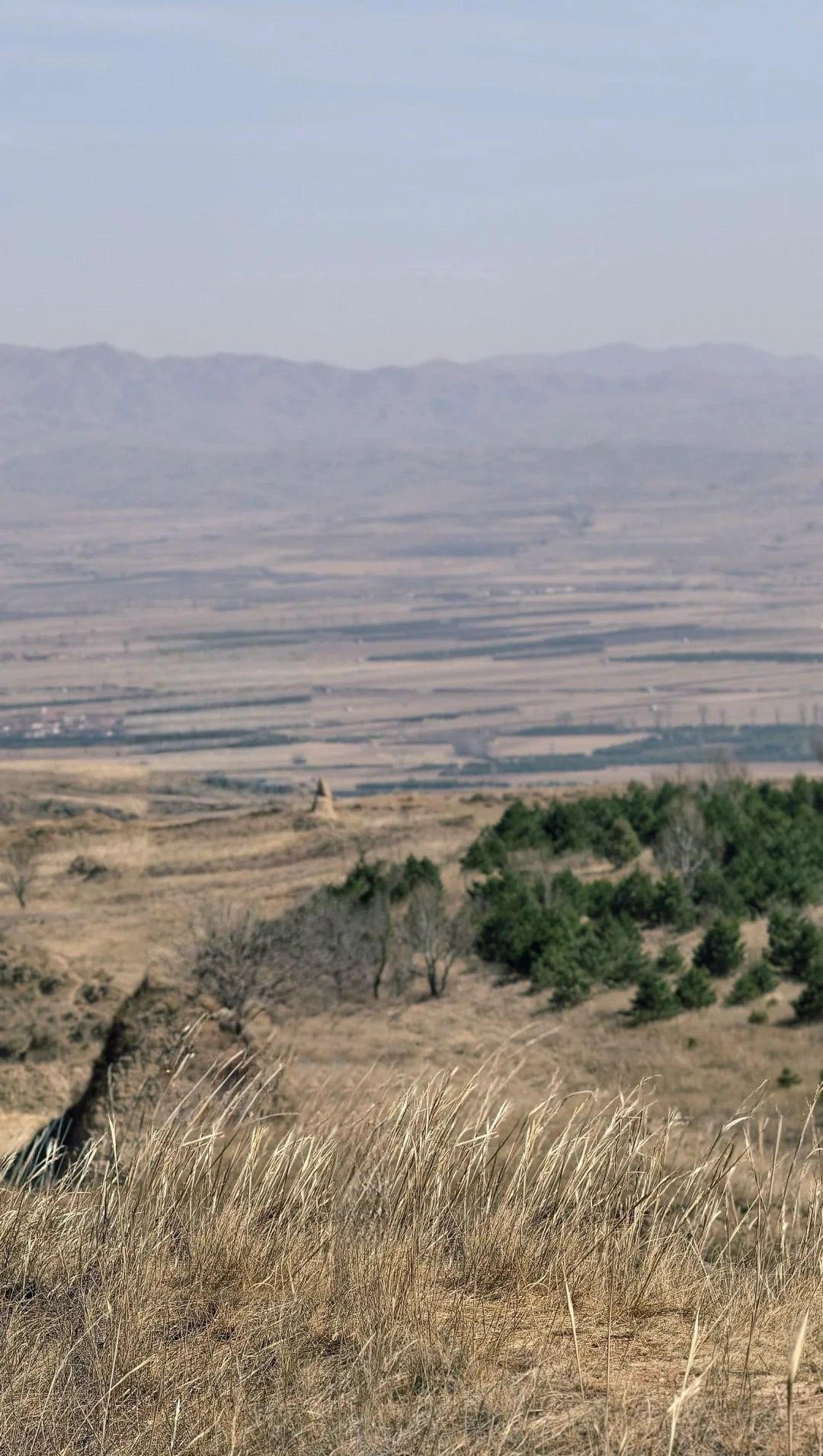
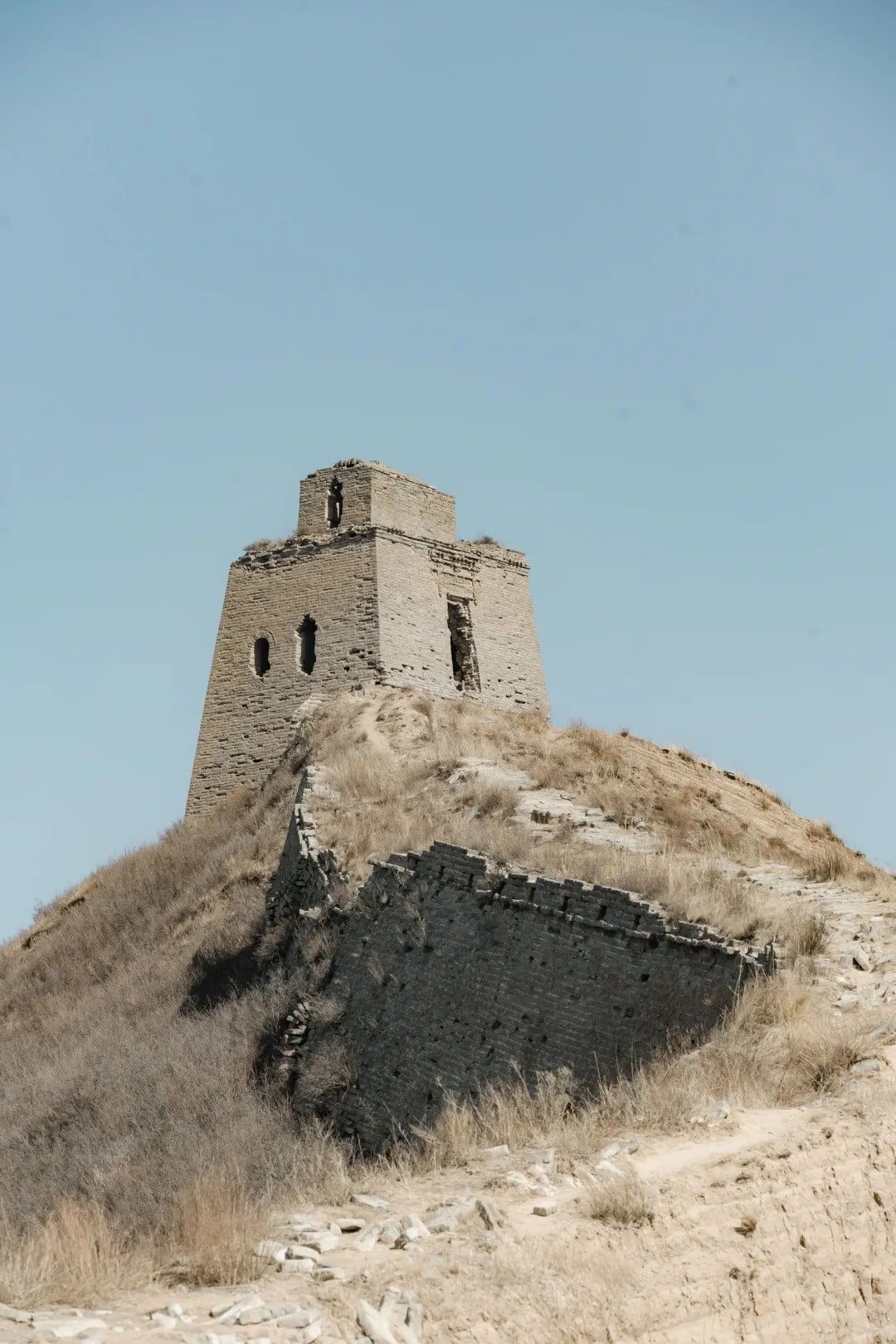
The longest day, 18 km but mostly level. We start on the temple hill of Xisi, where the wall runs out of sight in both directions, then follow farm tracks beside it, tower after tower, to Zhenbianbao, a fort village built in the 16th century and still lived in. You will hardly meet anyone, and the car waits at the end.
Plan B After heavy rain we drive the muddy middle stretch and walk both ends.
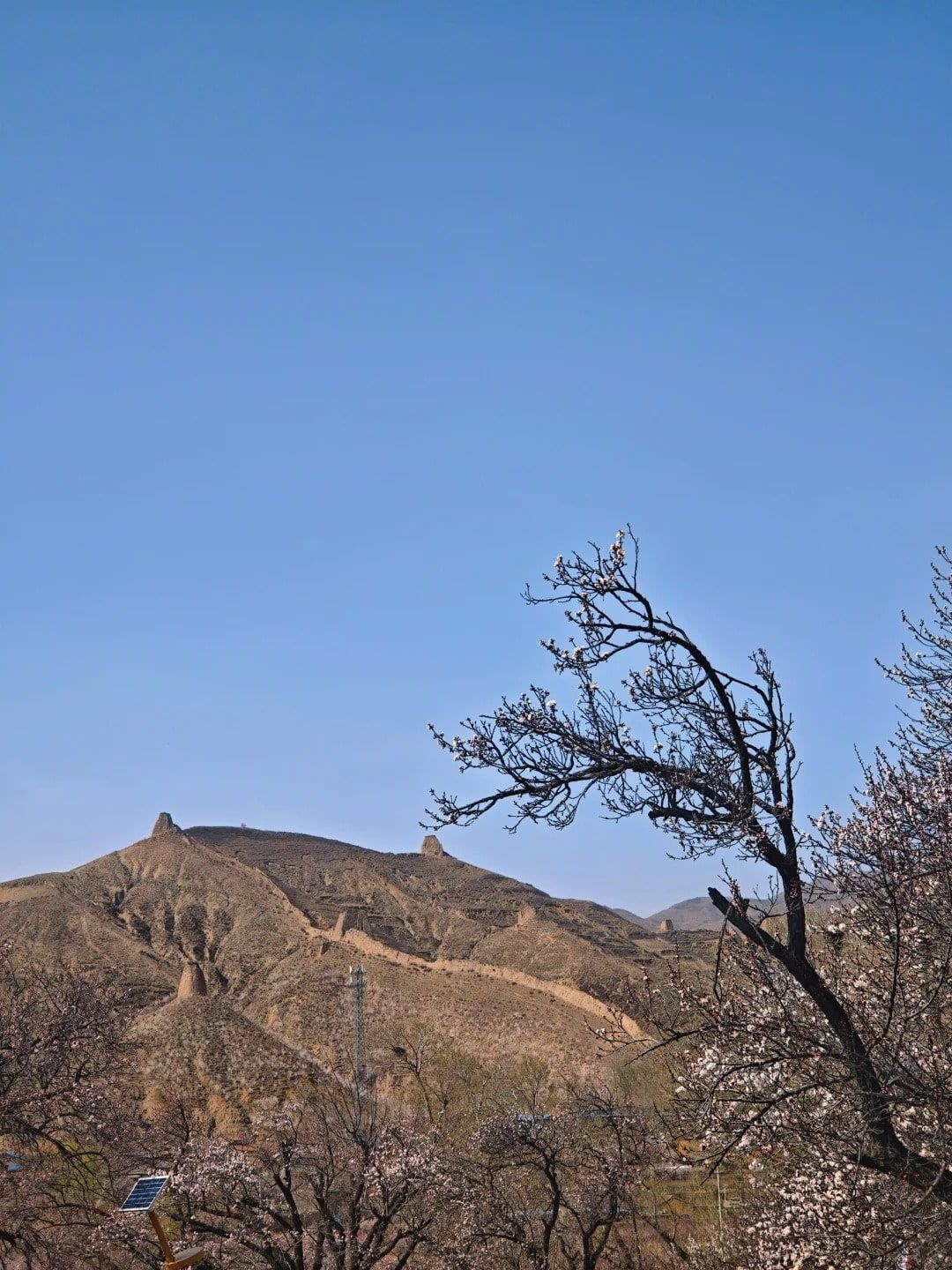
By car to Shoukoubao, where the wall leaves the plain and climbs a bare ridge above the apricot orchards, in flower in mid-April. It is the day with the most climbing, +530 m, up to the highest point of the trek at 1,484 m. We follow the old paths beside the wall south-west, past hamlets named after their watchtowers, down to the river road near Zhenhongbao.
Plan B If the ridge is too windy, we take the farm tracks along its foot.
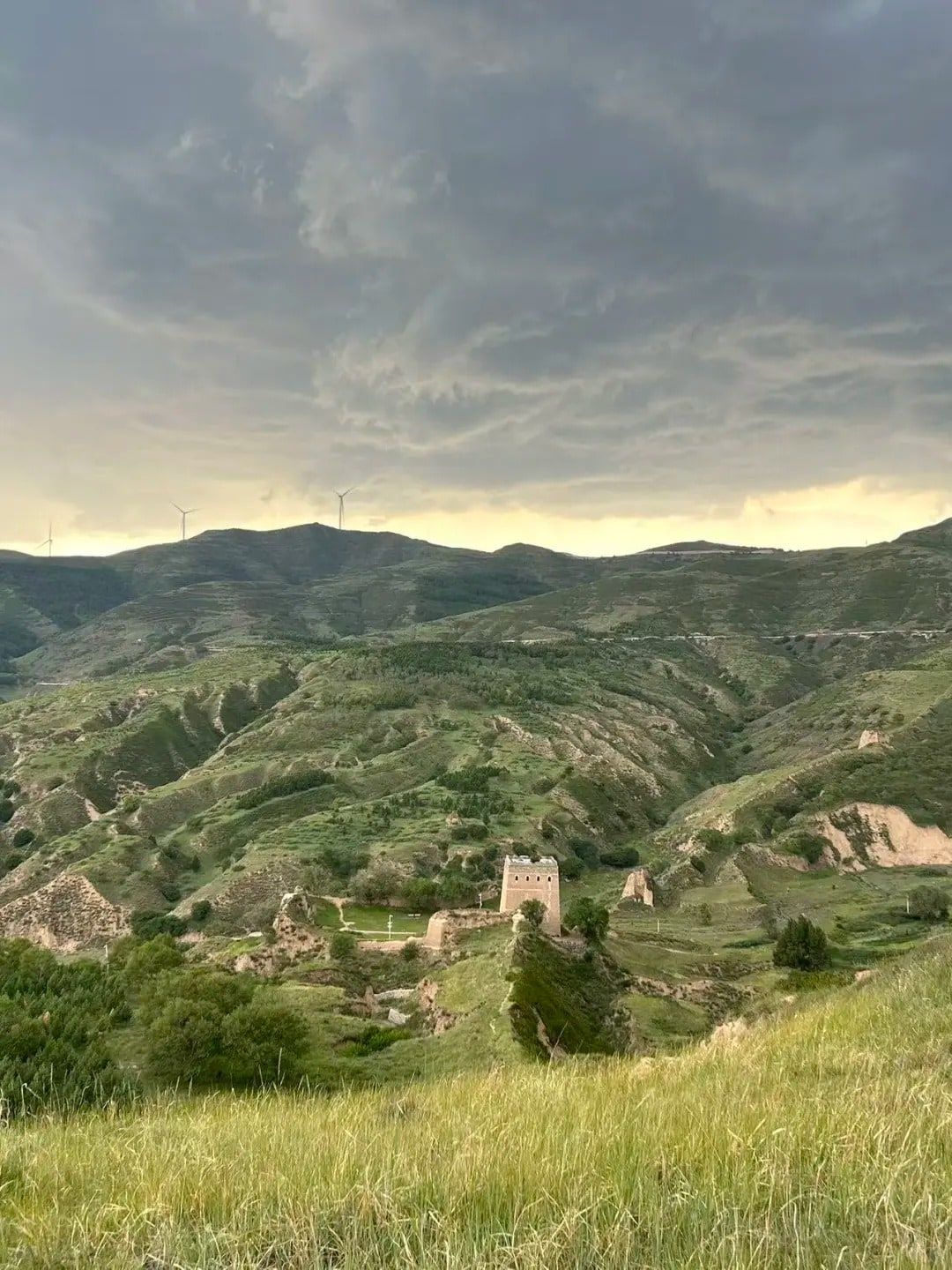
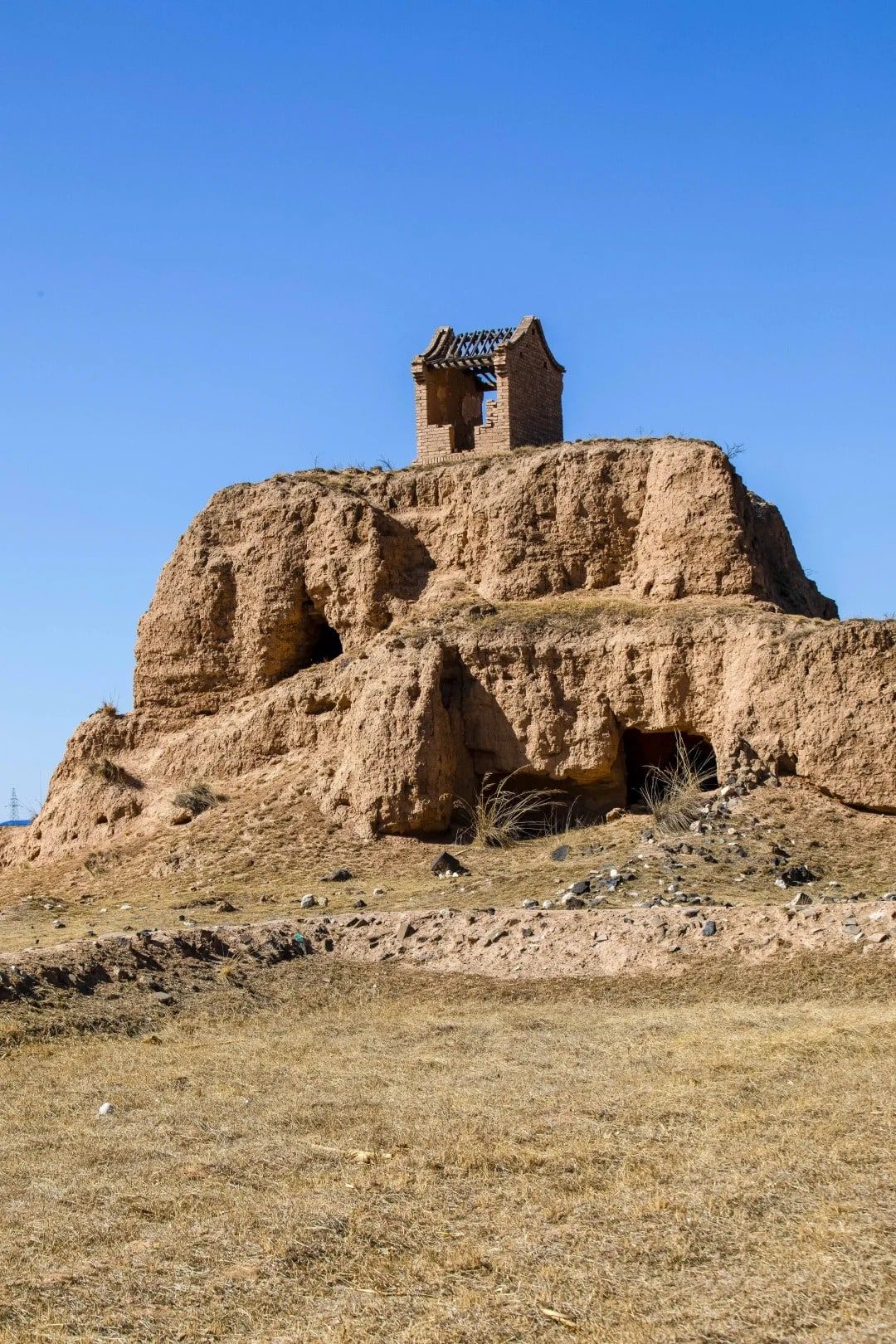
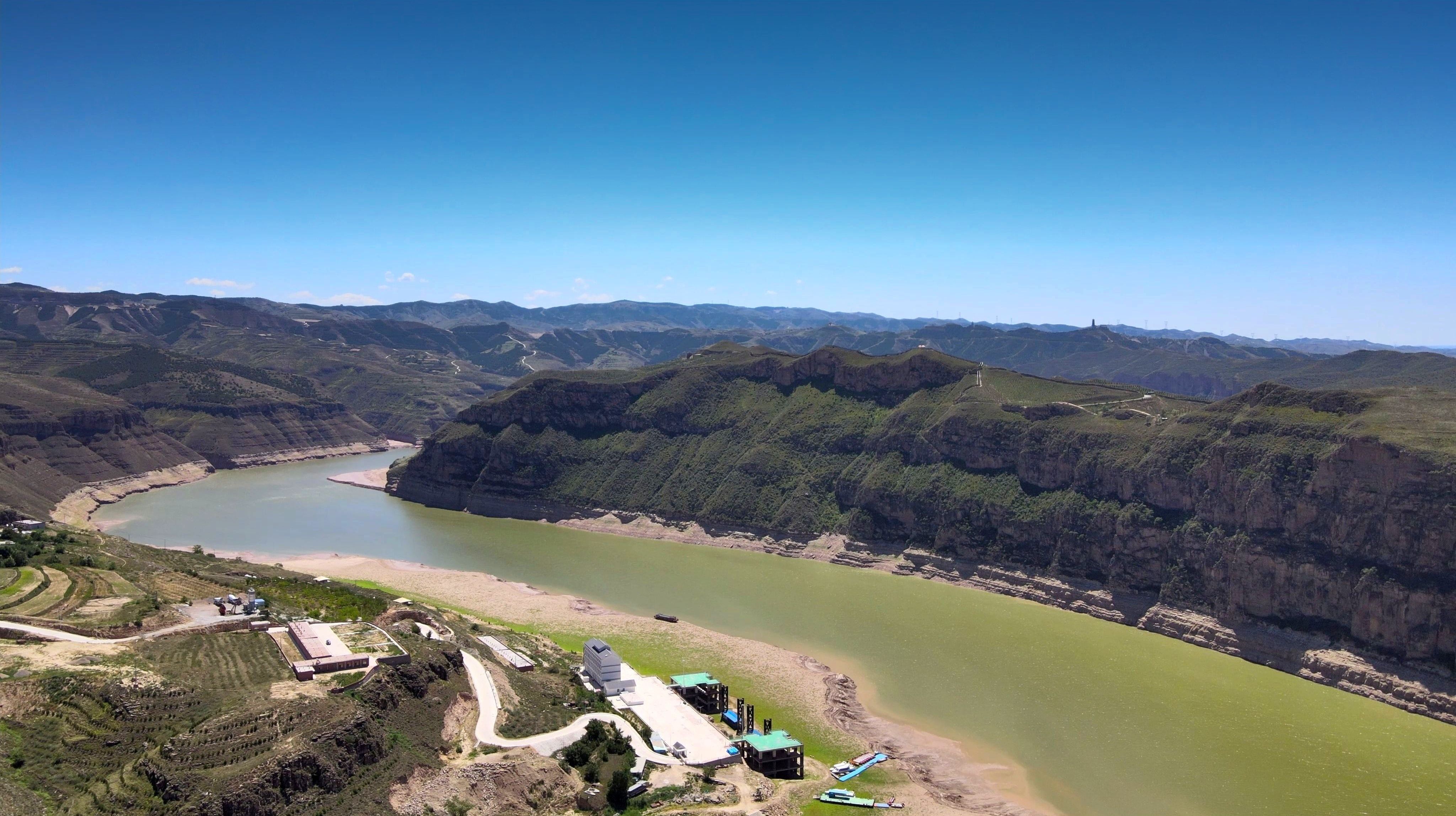
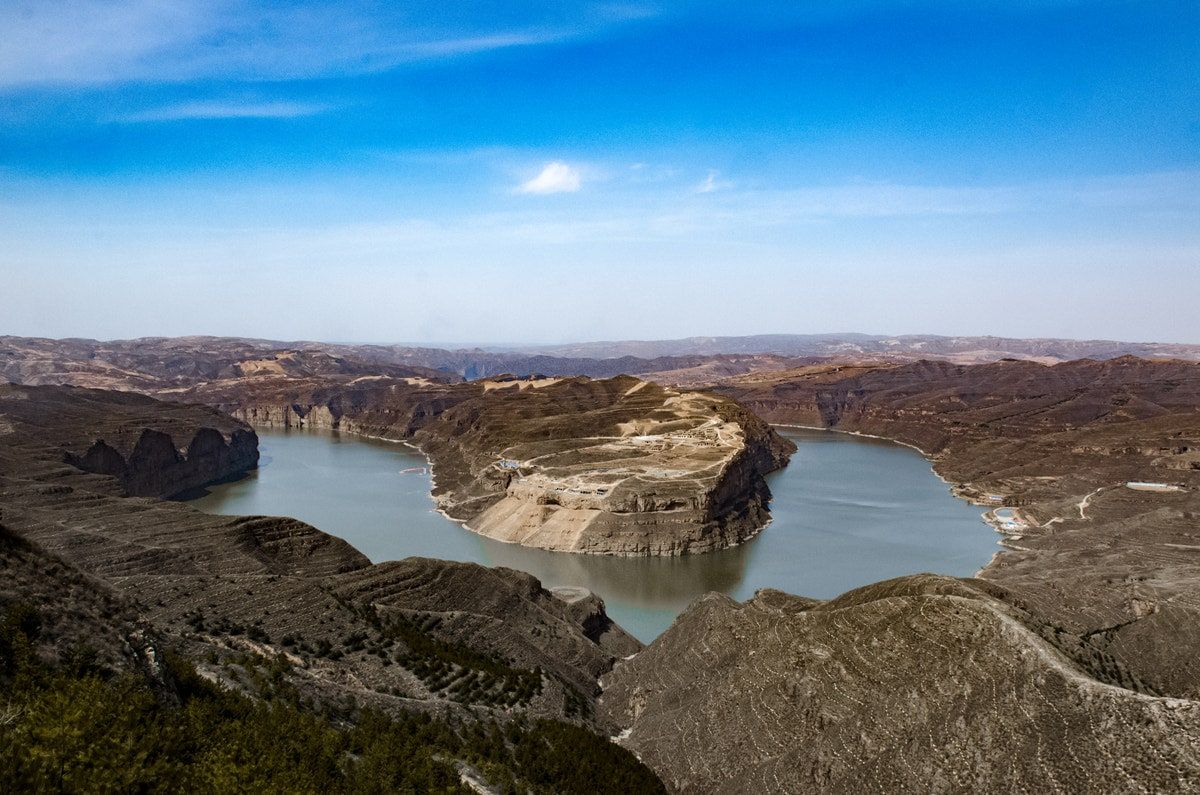
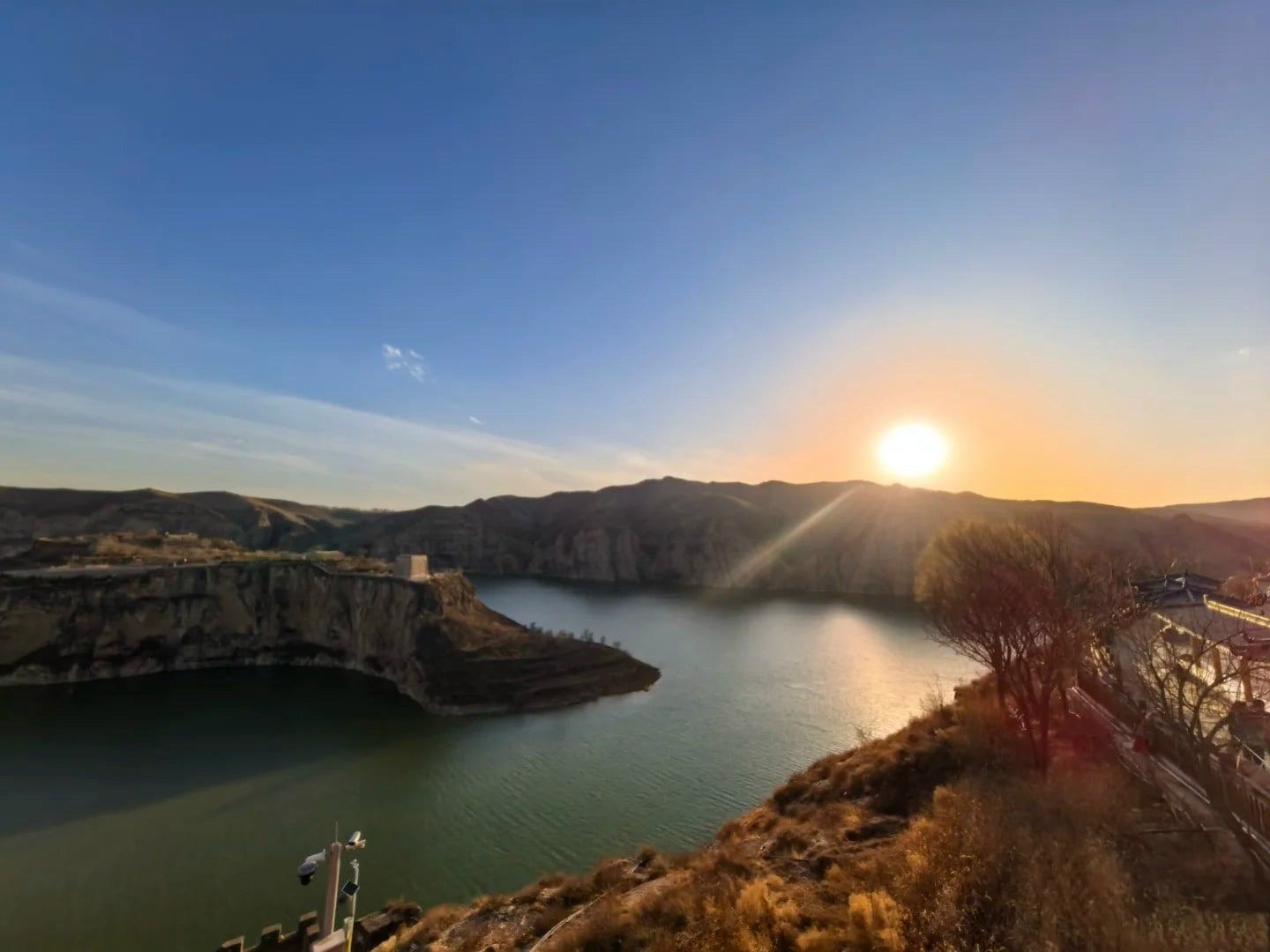
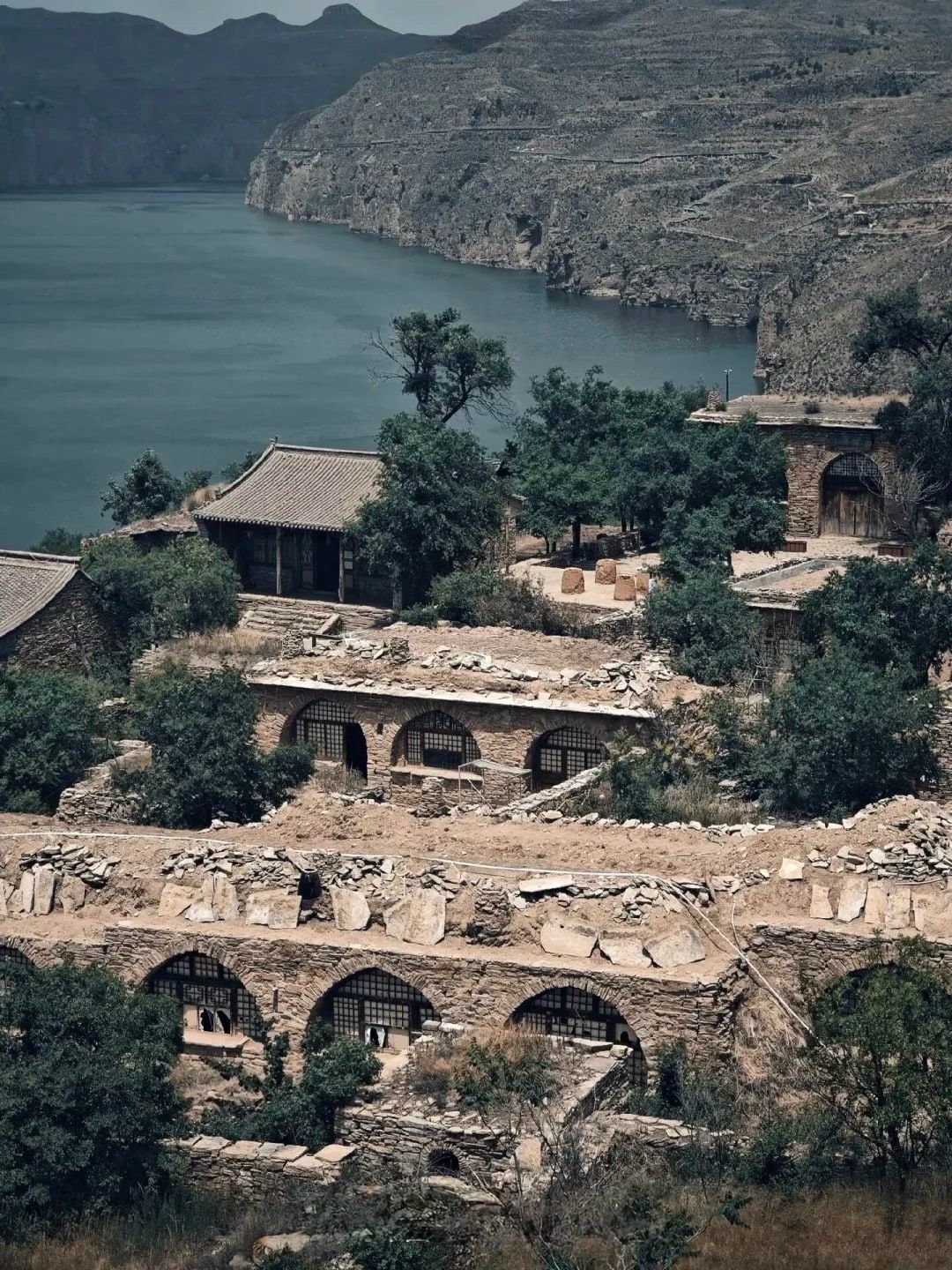
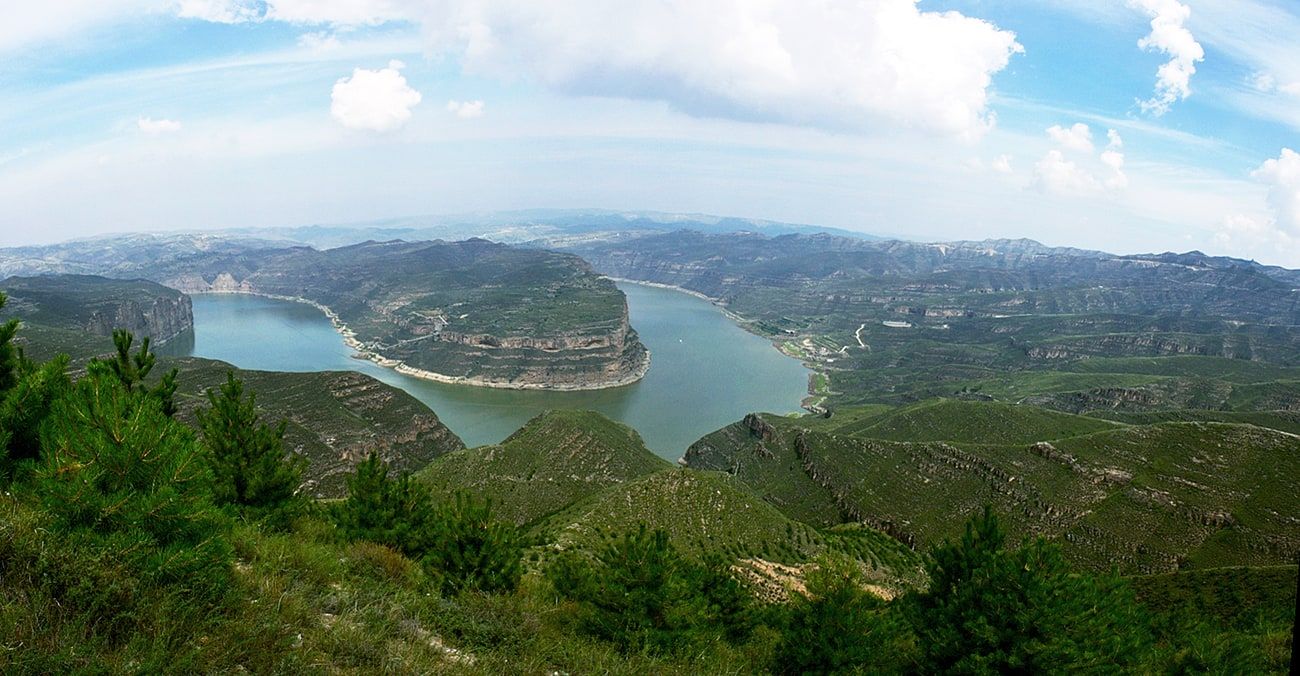
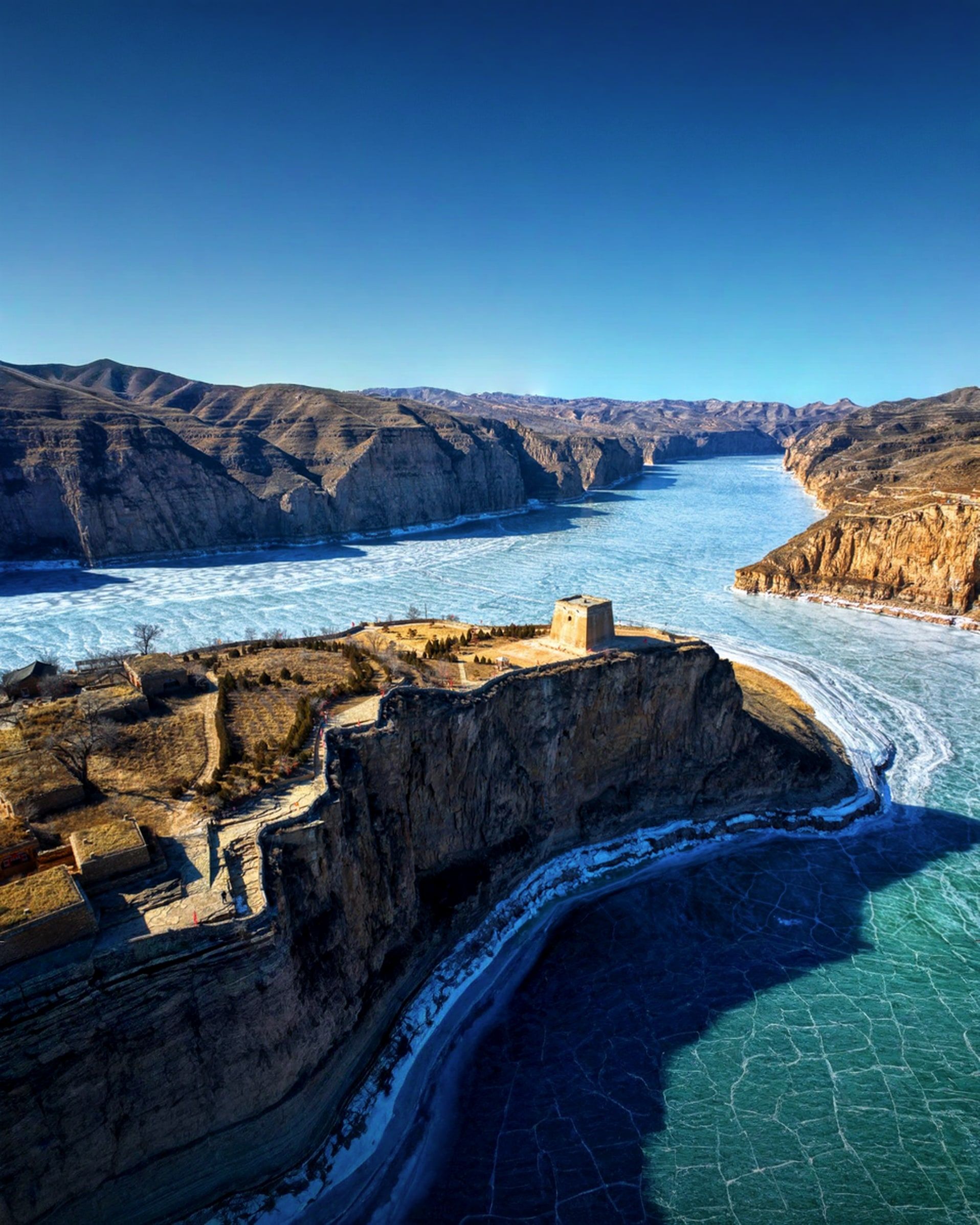
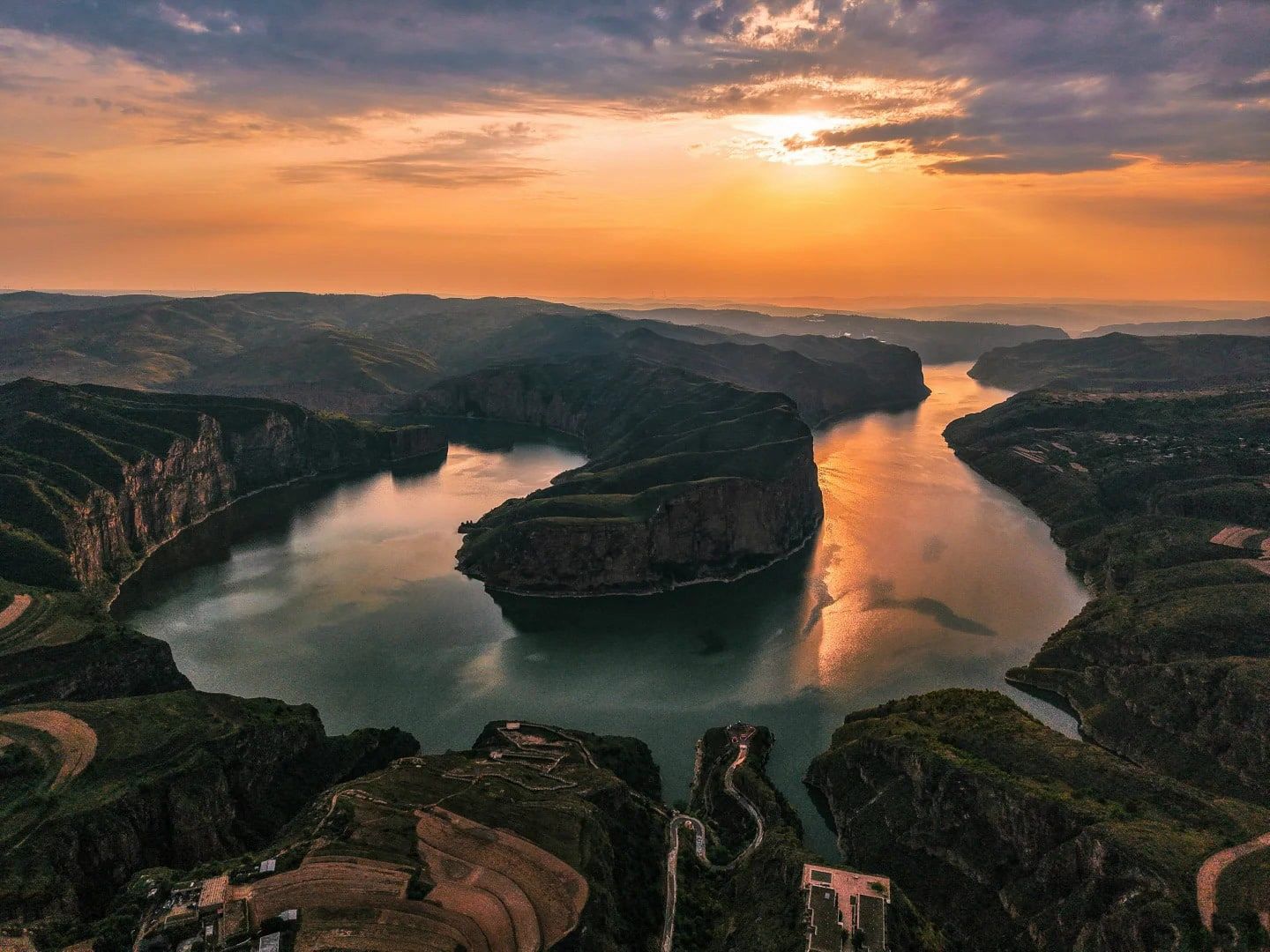
About three hours by road to Laoniuwan, where the Yellow River enters Shanxi. We walk from the old fort of Huashijian down the Yangjiachuan gorge to the river and over to the Inner Mongolia side, then return by road for sunset at a Ming watchtower above the bend. Tonight we sleep in a stone guesthouse above the canyon.
Plan B If the crossing is closed, we stay on the Shanxi bank and walk the canyon rim instead.
We walk downstream along the Yellow River canyon, about half the way to Wanjiazhai, and turn back to the road before the path becomes a scramble over rock. The car meets us on the riverside road for lunch. Then about three hours by road to Datong and the evening train, back in Beijing by late evening.
Plan B If the canyon path is wet, we walk the riverside road instead.
Distances, climbs and times come from trip reports and our own notes. A guide walks the route again before each season and we update these numbers.
Right for you if you can walk a full day on uneven ground. No climbing, and the car waits at the end of every walk. Five walking days of 8 to 18 km, 3 to 7 hours, on farm tracks, old paths and loess ridges. Climbs are short but steep in places; the biggest is the Shoukoubao ridge, +530 m. There is little shade and the plateau is often windy: bring sun protection and a windproof layer.
Meet us at Beijing Qinghe station for the morning high-speed train to Datong. Qinghe is on the metro in northern Beijing.
The train back is included too: you are back in Beijing late in the evening of day 5.
The train leaves Beijing Qinghe in the morning and brings you back late on day 5, so plan a night in Beijing before and after.
Dates, group size, how fit you feel. We reply within 24 hours with a plan for The Frontier Great Wall and the full price breakdown.
Ask about datesNo payment on this site. A real person replies within 24 hours.
Want the finest cave-house room at Laoniuwan, a suite in Datong and an extra day for the Hanging Temple and the Yingxian wooden pagoda? We tailor a premium version, priced on request.Ask about a premium version →
Price per person
| 2–3 hikers | €1,990 |
|---|---|
| 4–6 hikers | €1,830 |
| 7+ hikers | On request |
| Room of your own | +€420 |
Everything from Beijing and back: the high-speed train, a car and driver every day, one guide for every two hikers, four nights in named hotels, all meals and entrance tickets. International flights not included.
One guide for every two hikers. Always, for groups of up to 6. Bigger group? Ask us and we’ll work it out with you.
Join a set date for €1,990, the same as everyone. You share a twin room with a hiker of the same gender, or pay +€420 for your own. If no one else has joined 60 days before, you choose: go private for €3,730, switch dates, or get a full refund.
See the set datesBest May–Jun, Sep–Oct · also good Jul–Aug
Cancellation terms are in your written offer.
A day trip on the high-speed train, under two hours each way, covers the Yungang Grottoes and the old town, and that is what most visitors do. What takes time is the wall itself: its forts and watchtowers are spread over the plateau north of the city, and Laoniuwan is three hours’ drive west. Five days let you walk every day and still see Yungang. The Hanging Temple, about 90 minutes south, can be added as an extra day.
Not on top of unopened sections: China’s Great Wall regulations ban organised activity on them, and Shanxi’s own Great Wall law has applied since July 2026. So we walk beside the wall, on farm tracks and old paths, and look at it from the hills, never on it. The rammed earth crumbles underfoot anyway. Laoniuwan’s canyon trails are part of an official scenic area.
May, June, September and October: mostly dry and bright, with cool mornings and warm middays. Mid-April brings apricot blossom under the wall at Shoukoubao, but also wind and the odd dust storm. July and August are hotter, with the odd thunderstorm. The plateau is windy at any time of year and bitterly cold in winter, which is why we don’t run the trek from December to March.
The accidents you read about happen on Beijing’s steep brick ridges such as Jiankou. Around Datong the wall crosses rolling loess at 1,000 to 1,500 m, and we walk the tracks beside it, not its crumbling top. The steepest part is the Shoukoubao ridge, about 530 m of climbing on paths. One guide walks with every two hikers, the car is never far away, and on day 5 we turn back before the rock scrambles near Daju.
Yes, and it is a different wall. Datong’s stretch of the Ming frontier is yellow rammed earth, not stone and brick, with watchtower after watchtower across open plateau and fort villages along it. None of it has been restored, there are no cable cars, and you will rarely meet anyone. At Laoniuwan it reaches the Yellow River.
Yes. Yungang no longer sells tickets on the day: entry is booked online, up to seven days ahead, with your passport. We book it for you and the ticket is included. If you add a day for the Hanging Temple, we book its limited climbing tickets too.
Citizens of most European countries, including the UK, France, Germany, Italy, Spain, the Netherlands, Switzerland and Sweden, and of Canada, can visit China without a visa for up to 30 days, under a policy that runs to 31 December 2026. The US is not part of it: you need a visa, or the 240-hour visa-free transit if you fly on to a third country. Rules change, so check with the Chinese embassy for your passport. We update this as soon as the rules for 2027 are announced, and your offer always says what applies on your dates.
You need your own travel insurance with medical and emergency evacuation cover that includes trekking; please send us the policy details before you travel. What our licensed partner agency insures is listed under “What’s included”.
Alipay and WeChat Pay, taken almost everywhere, now accept foreign cards; carry some cash for the villages. Google, WhatsApp and most Western apps don’t work on Chinese networks, but a roaming eSIM from home usually does. We send a short checklist with your offer.
Local food wherever we stay, often shared dishes at a round table. Vegetarian food is easy to arrange. Tell us about allergies or vegan, halal or gluten-free needs in your enquiry, and we brief the kitchens ahead.
Every step of this trek is in our free guides. Walk it yourself, or let us walk it with you.